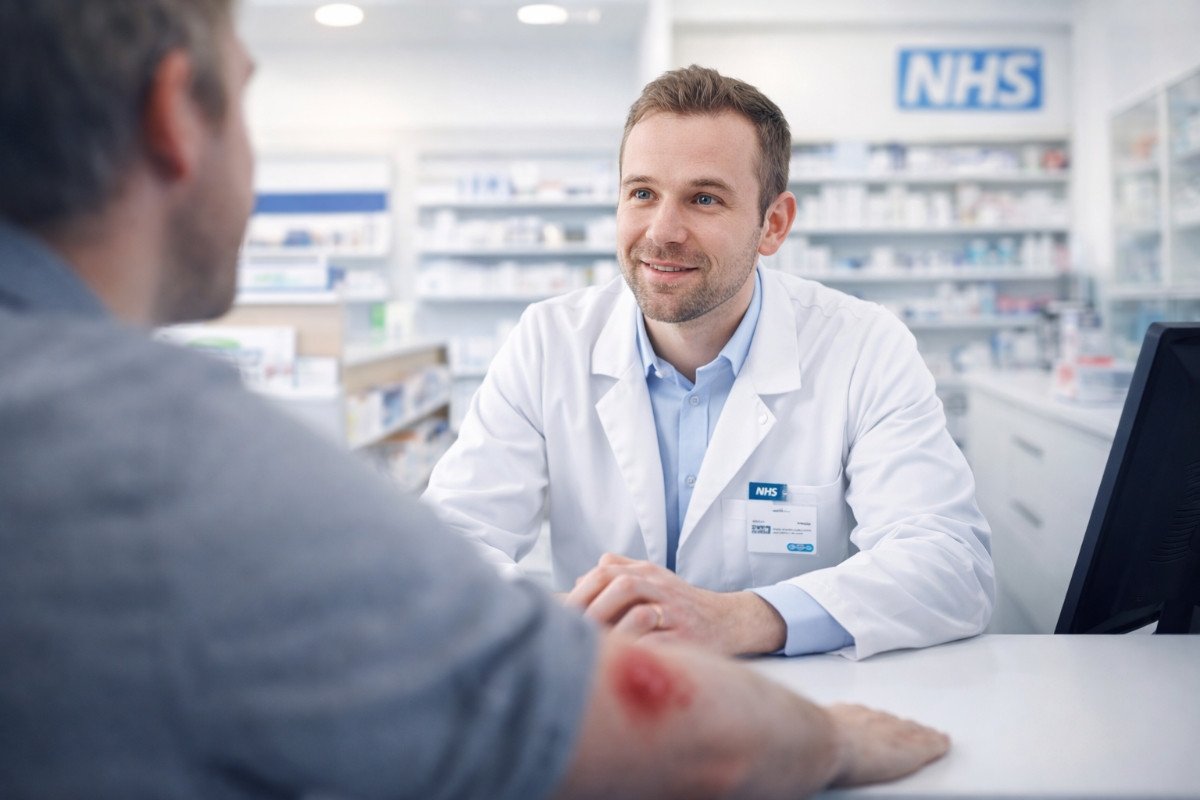
If you’ve been bitten by an insect and the area around the bite is looking angrier than it should, you’re not alone. Each summer, thousands of people across Greater Manchester end up searching for infected insect bite treatment in Tyldesley because what started as a minor irritation has turned into something that needs proper attention. The good news is that help is closer than you might think, and most infected bites can be treated quickly and effectively when caught early enough.
This guide walks you through everything you need to know — from recognising the early warning signs of infection through to where to go locally for fast, reliable treatment without unnecessary delays.
What Is an Infected Insect Bite?
An insect bite itself is simply a wound caused by a creature piercing your skin — whether that’s a midge, mosquito, horsefly, wasp, bee, or any number of other insects common across the North West of England. In most cases, the bite causes localised redness, a bit of swelling, and some itching. These symptoms are a normal immune response and usually settle on their own within a few days.
An infected insect bite is a different matter entirely. Infection occurs when bacteria enter the broken skin, either through the initial puncture wound or as a result of scratching. Once bacteria take hold, the immune system responds more aggressively, and the bite site can become quite unwell looking.
The most common bacterium responsible is Staphylococcus aureus, though Streptococcus species can also be involved. This is worth knowing because it explains why a course of antibiotics is often the most effective solution once an infection has set in.
Common Signs of an Infected Insect Bite
Knowing the difference between a normal bite reaction and one that’s become infected can save you a lot of discomfort. Here are the signs to watch out for:
- Increasing redness that spreads outward from the bite site rather than fading
- Warmth around and beyond the bite, even hours after being bitten
- Swelling that continues to worsen after the first 24 to 48 hours
- Pain or tenderness that feels out of proportion to the original bite
- Pus or discharge leaking from the wound
- A fever or feeling generally unwell
- Swollen lymph nodes in the nearest part of your body (for example, under the armpit if bitten on the arm)
- Red streaking extending from the bite — this is a particularly important sign that needs urgent attention
Not all of these symptoms need to be present for a bite to be infected, but if you’re noticing two or more of them, it’s time to seek help.
When Should You Seek Medical Help in Tyldesley?
This is one of the questions people most commonly get wrong — either waiting too long, or panicking about something that’s still perfectly normal. As a rough guide, you should seek medical advice if:
- Your bite is still getting worse after 48 hours rather than improving
- You develop a fever, chills, or start to feel generally ill
- The redness has spread well beyond the original bite site
- You notice red streaks travelling along the skin
- The bite is on your face, near your eye, or on an area that has become significantly swollen
- You have diabetes, a weakened immune system, or are taking medications that affect immunity
Children, the elderly, and anyone with underlying health conditions should not wait to seek help. Infections can progress more quickly in people who are already vulnerable.
If you’re unsure, contacting a local pharmacy in Tyldesley is a perfectly sensible first step. Pharmacists are highly trained clinical professionals who can assess an infected bite and tell you honestly whether you need something stronger.
Where to Get Fast Infected Insect Bite Treatment in Tyldesley
Residents of Tyldesley and nearby areas including Atherton, Leigh, Hindley, and Worsley have several options for getting prompt treatment.
Your Local Tyldesley Pharmacy
For many people with an infected insect bite, a visit to a local pharmacy is the fastest and most practical starting point. Under the NHS Pharmacy First scheme, pharmacists in England are now able to assess and treat a range of minor infections without you needing a GP appointment first. This can include supplying prescription-strength treatments in appropriate cases.
Pharmacies in and around Tyldesley are generally open six or seven days a week, with some offering extended hours. You don’t need an appointment to walk in and speak to a pharmacist, which makes this one of the most accessible options available.
Your GP Surgery
If your bite is infected but not worsening rapidly, booking a same-day or urgent appointment with your GP is another solid option. Your GP can examine the wound, swab it if needed, and prescribe antibiotics if infection is confirmed. Most practices in Tyldesley operate a triage system where same-day urgent requests are reviewed by a clinician and prioritised accordingly.
Walk-In Centres and Urgent Treatment Centres Near Tyldesley
For same day insect bite treatment in Tyldesley when your GP is unavailable, the nearest walk-in and urgent treatment centres are a practical alternative:
- Leigh Urgent Treatment Centre at Leigh Infirmary — located on The Avenue in Leigh, a short drive from Tyldesley
- Wigan Urgent Treatment Centre at the Royal Albert Edward Infirmary — accessible via Wigan Road
These centres are open extended hours and can assess, diagnose, and treat infected bites without a GP referral. They are not A&E departments, which means waiting times are typically much more manageable for minor infections.
Minor Injury Units
Minor injury units in the wider Wigan borough area can also deal with infected bites, particularly where there is an abscess forming or where the wound itself needs cleaning or dressing by a nurse practitioner.
YourChemist – Trusted independent NHS pharmacy in Tyldesley, Manchester
NHS Advice for Insect Bites and Infections
The NHS guidance on insect bites and stings is clear that while most bites are harmless and resolve without treatment, any signs of spreading redness, pain, or systemic illness should be assessed promptly.
The NHS recommends the following initial steps for managing an insect bite at home:
- Remove any visible sting using a flat-edged object (do not use tweezers as this can squeeze more venom in)
- Wash the area with soap and water
- Apply a cold compress or wrapped ice pack for up to ten minutes at a time
- Elevate the affected limb if swollen
- Avoid scratching, as this introduces bacteria into the wound
Over the counter antihistamines and hydrocortisone cream can help manage itching and mild inflammation, but neither will treat a bacterial infection. If infection has developed, these measures alone are not sufficient.
Treatment Options Available
Once you’ve been assessed by a healthcare professional, the treatment approach will depend on the severity of the infection.
Antibiotics
For confirmed bacterial infections, a short course of oral antibiotics is the standard treatment. Flucloxacillin is commonly prescribed for skin infections caused by staphylococcal bacteria. If you have a penicillin allergy, an alternative such as clarithromycin or erythromycin will typically be used instead. It’s important to complete the full course even if symptoms improve quickly.
Antihistamines
Antihistamines like cetirizine or loratadine can be recommended alongside antibiotics to help control the allergic and inflammatory response around the bite. These are available over the counter without a prescription and can make a meaningful difference to your comfort levels while the infection clears.
Pain Relief
Paracetamol and ibuprofen are both appropriate for managing pain and reducing fever associated with an infected bite. Ibuprofen also has anti-inflammatory properties that can help reduce swelling, though it should be avoided if you have stomach problems, kidney issues, or are on certain other medications. Your pharmacist can advise on the right choice for you.
Creams and Ointments
Topical antiseptic creams can help keep the wound clean and reduce surface bacteria. In some cases, a short course of topical antibiotic cream such as fusidic acid may be appropriate for very localised infections, though oral antibiotics are generally preferred for spreading infections. Hydrocortisone cream can help reduce itching but should not be applied to broken or infected skin.
Local Pharmacy vs GP vs Walk-In Clinic
Not sure which route to take? Here’s a straightforward comparison:
| Option | Best For | Speed | Prescription Available? |
|---|---|---|---|
| Local Pharmacy | Mild to moderate infection, first assessment | Immediate | Yes, via Pharmacy First |
| GP Surgery | Moderate infection, existing patient | Same day if urgent | Yes |
| Walk-In / UTC | No GP access, evenings, weekends | Usually within 1 to 2 hours | Yes |
| A&E | Red streaking, high fever, facial swelling | Variable | Yes |
For most people in Tyldesley, the pharmacy or GP will be the right first port of call. Walk-in centres are a strong backup when those aren’t available.
How Quickly Should an Infected Bite Be Treated?
Speed genuinely matters here. A localised infection that’s caught within the first 24 to 48 hours of developing is far easier to treat than one that’s been left for several days. Unchecked bacterial skin infections can spread to deeper tissue layers, a condition known as cellulitis, which is more difficult to treat and may require intravenous antibiotics in hospital.
NICE clinical guidelines on insect bites and stings recommend that any patient showing signs of spreading erythema (redness), systemic symptoms such as fever, or signs of cellulitis should be assessed promptly and treated with antibiotics without delay.
The bottom line is this: if you’re looking at a bite and it doesn’t look right, trust your instincts. Getting it checked early is always the right call.
Real-Life Example of a Patient in Tyldesley
Sarah, a 34-year-old from Tyldesley, noticed a small bite on her lower leg after an afternoon in her garden during the August bank holiday weekend. She assumed it was a mosquito bite and didn’t think much of it. Two days later, the area had become red, warm to the touch, and had swollen noticeably. The redness had crept about three centimetres beyond the original bite site.
Rather than wait for a weekday GP appointment, Sarah walked into a pharmacy near her home and spoke to the pharmacist. After a brief assessment, the pharmacist identified a developing skin infection and, using the NHS Pharmacy First service, was able to arrange a supply of antibiotics directly. Within 48 hours of starting the course, Sarah’s symptoms had begun to settle considerably.
Her experience is a good example of why knowing your local options matters. Prompt treatment made the difference between a minor nuisance and a potentially much more significant health problem.
Tips to Prevent Insect Bite Infections
Prevention is always preferable. While you can’t always avoid being bitten, you can reduce your chances of an infection developing:
- Avoid scratching bites, no matter how tempting. Scratching breaks the skin and introduces bacteria.
- Keep your hands clean, especially before touching the bite area.
- Clean the bite site with soap and water as soon as possible after being bitten.
- Apply insect repellent when spending time outdoors, particularly in areas near water or long grass.
- Cover exposed skin in the evenings when insects such as midges are most active.
- Keep the bite area dry and clean and change dressings if you’ve covered the wound.
- Watch for early signs of infection and act on them rather than hoping they’ll settle on their own.
For children, keeping nails short and clean significantly reduces the risk of scratching leading to infection.
When an Infected Bite Becomes an Emergency
While the vast majority of infected bites respond well to standard treatment, there are situations where you should not wait for a pharmacy or GP appointment and should go directly to A&E or call 999:
- Red streaking spreading from the bite site along the skin (this may indicate a bloodstream infection)
- A very high fever combined with confusion, rapid breathing, or feeling severely unwell
- Significant facial swelling, particularly around the eyes or throat
- Signs of anaphylaxis, including throat tightening, difficulty breathing, dizziness, or collapse
- A bite that appears deeply infected with an abscess or extensive pus
These are not common outcomes, but they are serious ones. If anything about the situation feels alarming, err on the side of caution and seek emergency care immediately.
Don’t Miss To Read:
- What Is an Authorised Medical Attendant in the UK?
- Who Qualifies as an Authorised Medical Attendant Under NHS Guidelines?
Conclusion
An infected insect bite can catch you off guard, but it’s rarely something you need to face without support. If you’re in Tyldesley or the surrounding areas of Greater Manchester and you’re concerned about a bite that’s looking or feeling worse than expected, you have genuinely good options close to home.
Start with your nearest pharmacy for a quick assessment, book an urgent GP appointment if the infection is progressing, or head to the Leigh Urgent Treatment Centre if you need care outside of normal hours. The key thing is not to leave it too long. A bite that’s treated early is a bite that heals well.
For further reading and peace of mind, the [NHS information on insect bites and stings](https://www.nhs.uk/conditions/insect-bites-and-stings/) and the [NICE clinical guidance](https://cks.nice.org.uk/topics/insect-bites-stings/) are both excellent, evidence-based resources that can help you understand your situation and your options.
Your health is worth acting on quickly. Tyldesley residents have good local healthcare provision on their doorstep — don’t hesitate to use it.
FAQs about Infected Insect Bite Treatment
Can I get infected insect bite treatment at a pharmacy in Tyldesley without a GP appointment?
Yes. Under the NHS Pharmacy First scheme, pharmacists in England can assess and treat certain minor infections, including infected insect bites, without you needing to see a GP first. Your local Tyldesley pharmacy is a great first point of contact.
How do I know if my insect bite is infected?
Key signs include spreading redness that worsens after 48 hours, increased warmth, swelling, pain, pus or discharge, and in more serious cases, a fever or red streaking from the bite. If you notice any of these, have it assessed promptly.
Where is the nearest walk-in centre to Tyldesley for insect bite treatment?
Leigh Urgent Treatment Centre at Leigh Infirmary is the closest option for most Tyldesley residents and can assess and treat infected bites without a GP referral. Wigan Urgent Treatment Centre is another accessible option.
What antibiotics are used to treat an infected insect bite in the UK?
Flucloxacillin is commonly prescribed for bacterial skin infections from insect bites in the UK. If you have a penicillin allergy, alternatives such as clarithromycin or erythromycin may be prescribed. Your GP or pharmacist will advise based on your individual circumstances.
How long does it take for an infected insect bite to heal with treatment?
With appropriate antibiotic treatment, most infected insect bites begin to improve within 48 to 72 hours. A typical course of antibiotics lasts five to seven days. If symptoms are not improving after 48 hours of treatment, you should return to your pharmacist or GP for reassessment.